
Email remains one of the highest-return channels in digital marketing, Email Marketing and Automation Platform | Moosend 2026 and in that gap has only widened. As inboxes get smarter and audiences get pickier, the platform behind your campaigns matters more than ever. This is where tools like Moosend come in — offering small businesses, agencies, and eCommerce brands an accessible way to combine email marketing with real automation, without needing an enterprise budget or a technical team.
This post breaks down what a modern email marketing and automation platform should do, why automation is no longer optional, and how a tool like Moosend fits into a 2026 marketing stack.
Why Email Marketing Still Wins in 2026
Despite the rise of social media, SMS, and AI chat assistants, email continues to outperform nearly every other channel on return on investment. A few reasons this holds true:
- Ownership: Your email list belongs to you. Algorithms don’t decide who sees your message.
- Intent: People who subscribe have already shown interest in your brand.
- Personalization at scale: Modern platforms let you tailor content to behavior, not just a first name.
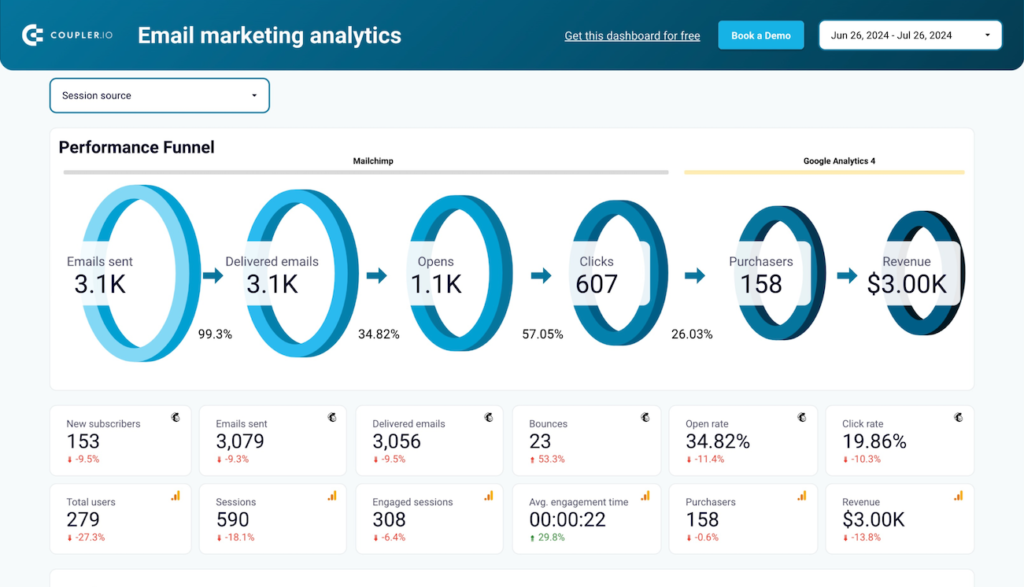
- Measurability: Opens, clicks, conversions, and revenue can all be tracked directly.
The catch is that manually managing campaigns — segmenting lists, timing sends, following up after abandoned carts — simply doesn’t scale. That’s the gap automation is built to close.
What “Automation” Actually Means for Email Marketing
Automation isn’t just scheduling a newsletter in advance. A true automation platform lets you build workflows: sequences of emails triggered by user behavior, timed intervals, or data changes. Common examples include:
- Welcome series triggered the moment someone joins your list
- Abandoned cart reminders triggered by an eCommerce store event
- Re-engagement campaigns triggered by inactivity
- Post-purchase follow-ups and review requests
- Lead nurturing sequences based on how someone interacts with prior emails
The value isn’t just saved time — it’s consistency. Automated workflows keep working at 2 a.m. on a Sunday exactly as well as they do at 10 a.m. on a Tuesday.
What to Look for in a Platform in 2026
Not all platforms are created equal, and the space has matured quickly. Here’s what separates a genuinely useful platform from a glorified newsletter tool:
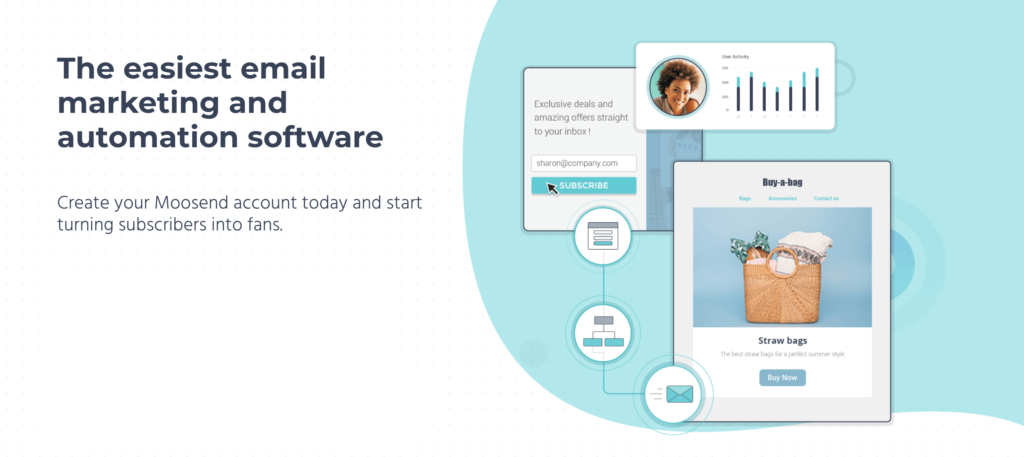
1. A visual automation builder Drag-and-drop workflow editors let marketers map out logic — if this, then that — without writing code. This is now table stakes, not a premium feature.
2. Behavior-based segmentation Instead of just tagging contacts manually, modern platforms segment audiences based on real actions: what they clicked, what they bought, when they last opened an email.
3. eCommerce integrations Native integrations with platforms like Shopify or WooCommerce allow product recommendations, cart data, and purchase history to flow directly into campaigns.
4. Landing pages and forms The best platforms let you build the entire funnel — signup form, landing page, email sequence — in one place, rather than stitching together three different tools.
5. Reporting that ties back to revenue Open rates and click rates are nice, but 2026 marketers want to see actual revenue attributed to a campaign or automation flow.
6. Deliverability tools With inbox providers tightening spam filters, platforms need built-in authentication support (SPF, DKIM, DMARC) and list-hygiene features to keep sender reputation healthy.
Where Moosend Fits In
Moosend has built its reputation around making these capabilities approachable, particularly for small and mid-sized businesses that don’t have a dedicated marketing engineering team. A few things stand out about its approach:
Simplicity without losing power. The workflow editor is visual and beginner-friendly, but still supports the kind of conditional logic (if/else branching, wait steps, event triggers) that more complex campaigns need.
Built-in eCommerce focus. Product recommendation blocks and integrations with major store platforms make it a natural fit for online retailers running cart-recovery or upsell campaigns.
Straightforward pricing model. Historically, Moosend has positioned itself as a cost-effective alternative to larger platforms, which matters for growing businesses watching their marketing spend closely.
Reporting that’s easy to read. Instead of overwhelming dashboards, the reporting tends to highlight the numbers that matter most — opens, clicks, and revenue per campaign — without requiring a data analyst to interpret them.
As with any platform, it’s worth checking current features and pricing directly, since automation platforms evolve quickly and capabilities can shift from year to year.
Building Your First Automation Workflow
If you’re setting up automation for the first time, a simple, effective starting point looks like this:
- Start with a welcome series. Three to five emails introducing your brand, setting expectations, and offering something of value.
- Add a cart abandonment flow if you run an online store — this alone often recovers meaningful revenue with minimal effort.
- Build a re-engagement sequence for subscribers who haven’t opened an email in 60–90 days, before removing them from your list entirely.
- Layer in behavioral triggers once the basics are running smoothly — for example, sending a follow-up email only to people who clicked a specific link.
Start small. A well-built three-email welcome sequence will outperform a poorly planned ten-email campaign every time.
Common Mistakes to Avoid
- Over-automating too early. Complex workflows built before you understand your audience often create more noise than value.
- Ignoring list hygiene. Sending to unengaged or invalid addresses hurts deliverability for your entire list, not just that email.
- Neglecting mobile formatting. Most emails are opened on a phone first; test every template accordingly.
- Setting and forgetting. Automation should be reviewed and refined regularly based on performance data, not left untouched for a year.
Final Thoughts
Email marketing isn’t going anywhere in 2026 — if anything, it’s becoming more central as brands look for channels they actually own. The difference between a mediocre email program and a strong one usually isn’t the size of the list; it’s whether the platform behind it makes good automation easy to build and maintain.
Whether you land on Moosend or another platform, the checklist stays the same: visual automation, behavior-based segmentation, solid integrations, and reporting that ties back to real business outcomes. Get those right, and email will keep earning its place as one of the most reliable channels in your marketing stack.
Note: Automation platforms update their features and pricing frequently. Before making a decision, it’s worth checking the provider’s official site for the most current details.